Chakras – all you need to Know
Chakras are energy centers within the human body that are believed to regulate various physical, emotional, and spiritual functions. The concept of chakras originates from ancient Indian traditions and is a key component of practices such as yoga, Ayurveda, and various forms of meditation. The word “chakra” comes from the Sanskrit language and translates to “wheel” or “disk,” signifying the spinning energy centers that align along the spine.
The Seven Main Chakras
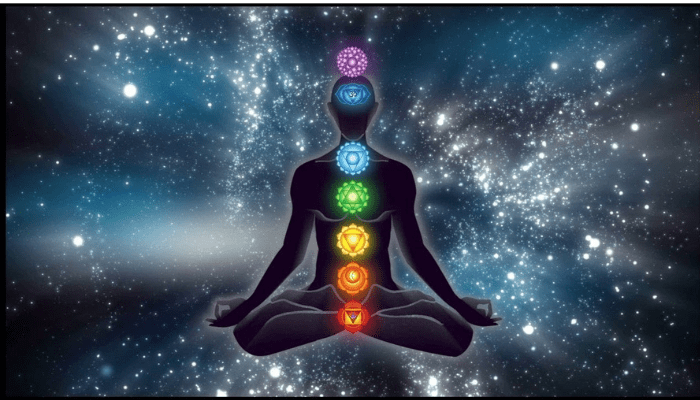
Traditionally, there are seven main chakras, each associated with specific functions and aspects of well-being. They are typically visualized as spinning wheels of light, each with its own color and symbol.
1. Root Chakra (Muladhara)
- Location: Base of the spine
- Color: Red
- Element: Earth
- Function: Survival, stability, grounding
- Associated Glands/Organs: Adrenal glands, spine, legs, colon
- Imbalances: Issues with basic needs (shelter, food), insecurity, anxiety
2. Sacral Chakra (Svadhisthana)
- Location: Lower abdomen, about two inches below the navel
- Color: Orange
- Element: Water
- Function: Creativity, sexuality, emotions
- Associated Glands/Organs: Reproductive organs, kidneys, bladder
- Imbalances: Emotional instability, sexual dysfunction, lack of creativity
3. Solar Plexus Chakra (Manipura)
- Location: Upper abdomen, around the stomach area
- Color: Yellow
- Element: Fire
- Function: Personal power, self-esteem, confidence
- Associated Glands/Organs: Pancreas, digestive system, liver
- Imbalances: Low self-esteem, lack of control, digestive issues
4. Heart Chakra (Anahata)
- Location: Center of the chest, near the heart
- Color: Green
- Element: Air
- Function: Love, compassion, relationships
- Associated Glands/Organs: Heart, lungs, thymus gland
- Imbalances: Loneliness, jealousy, respiratory issues
5. Throat Chakra (Vishuddha)
- Location: Throat area
- Color: Blue
- Element: Ether (Space)
- Function: Communication, self-expression, truth
- Associated Glands/Organs: Thyroid, vocal cords, mouth
- Imbalances: Communication issues, fear of speaking, throat problems
6. Third Eye Chakra (Ajna)
- Location: Forehead, between the eyebrows
- Color: Indigo
- Element: Light
- Function: Intuition, perception, wisdom
- Associated Glands/Organs: Pineal gland, eyes, brain
- Imbalances: Lack of intuition, confusion, headaches
7. Crown Chakra (Sahasrara)
- Location: Top of the head
- Color: Violet or white
- Element: Thought
- Function: Spiritual connection, enlightenment, awareness
- Associated Glands/Organs: Pituitary gland, brain, nervous system
- Imbalances: Spiritual disconnection, depression, apathy
Balancing and Healing Chakras
Balancing and healing the chakras is thought to promote physical health, emotional stability, and spiritual growth. Various practices can help achieve this balance:
Meditation
- Chakra Meditation: Focus on each chakra, visualize its color, and imagine it spinning and radiating light.
- Mantras: Chant specific sounds associated with each chakra (e.g., “LAM” for the root chakra).
Yoga
- Asanas (Postures): Certain yoga poses target specific chakras. For example, Tree Pose (Vrksasana) can help balance the root chakra.
- Pranayama (Breathwork): Breathing exercises can help stimulate and balance the energy flow through the chakras.
Crystals and Gemstones
- Healing Stones: Use crystals that correspond to each chakra (e.g., amethyst for the crown chakra, rose quartz for the heart chakra).
- Placement: Place the stones on the body at the chakra points during meditation or rest.
Aromatherapy
- Essential Oils: Use oils that resonate with each chakra (e.g., sandalwood for the root chakra, lavender for the crown chakra).
- Application: Diffuse the oils, add them to bathwater, or apply them topically with a carrier oil.
Sound Therapy
- Tuning Forks and Singing Bowls: Use instruments that produce frequencies corresponding to each chakra.
- Listening: Listen to music or sounds designed to balance chakras.
Conclusion
Chakras are an integral part of various holistic health practices, emphasizing the interconnectedness of mind, body, and spirit. By understanding and working with your chakras, you can potentially enhance your overall well-being, promote healing, and achieve a greater sense of harmony and balance in your life. Whether through meditation, yoga, crystals, or other methods, balancing your chakras can be a powerful tool for personal growth and health.